Tag:
Elastyczność eng
Heat electrification in Poland | The path to clean heat

Despite the government's declarations, progress in improving air quality in Poland has been poor. The rate of modernisation of buildings is slow, and public funds continue to support the replacement of old coal boilers with other coal-fired options, which other European countries have phased out. Meanwhile, a huge stream of European money will be flowing towards 'clean heat' in the coming years. In the newest analysis from the Forum Energii, we explain why it is worth betting on electrification of heating, identify which technologies have a future, and explore how this will affect the energy system.
9 minutes minutes
Heat electrification in Poland | The path to clean heat
Despite the government's declarations, progress in improving air quality in Poland has been poor. The rate of modernisation of buildings is slow, and public funds continue to support the replacement of old coal boilers with other coal-fired options, which other European countries have phased out. Meanwhile, a huge stream of European money will be flowing towards 'clean heat' in the coming years. In the newest analysis from the Forum Energii, we explain why it is worth betting on electrification of heating, identify which technologies have a future, and explore how this will affect the energy system.
9 minutes minutes

How to fill the coal gap? 43% RES by 2030?
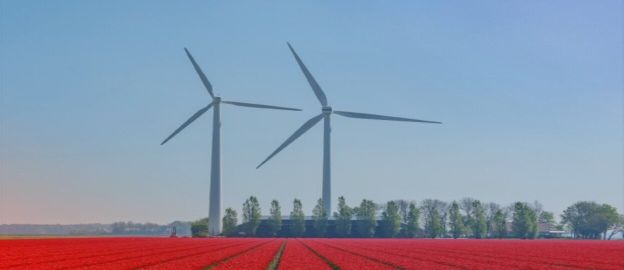
Poland has started phasing out coal. But while production is decreasing, CO2 emission allowances are becoming increasingly expensive. After 2025, when public support for outdated coal blocks runs out, energy companies will want to shut them down. With a decade, at least 10 GW of power may be lost from the Polish power system. How can this gap be filled?
4 minutes minutes
How to fill the coal gap? 43% RES by 2030?
Poland has started phasing out coal. But while production is decreasing, CO2 emission allowances are becoming increasingly expensive. After 2025, when public support for outdated coal blocks runs out, energy companies will want to shut them down. With a decade, at least 10 GW of power may be lost from the Polish power system. How can this gap be filled?
4 minutes minutes
Energy sector integration | Key to becoming climate-neutral by 2050
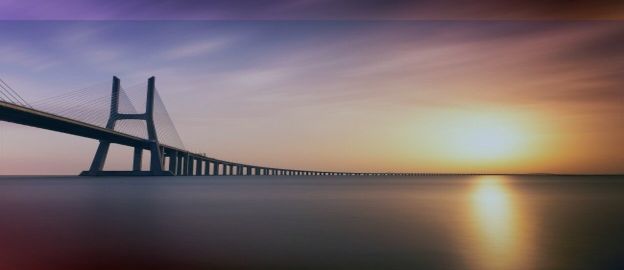
The future energy mix will be dominated by renewable energy sources (RES) with zero production costs, such as wind farms and photovoltaics. The abundance of cheap electricity will allow for the replacement of fossil fuels, both in heating and transport sectors. Effective integration of these sectors, within one energy system, will also help to solve the problem of weather-dependent RES production.
13 minutes minutes
Energy sector integration | Key to becoming climate-neutral by 2050
The future energy mix will be dominated by renewable energy sources (RES) with zero production costs, such as wind farms and photovoltaics. The abundance of cheap electricity will allow for the replacement of fossil fuels, both in heating and transport sectors. Effective integration of these sectors, within one energy system, will also help to solve the problem of weather-dependent RES production.
13 minutes minutes
Poland: climate neutrality by 2050. Electrification and sector coupling
Electrification sets the direction of inevitable changes in many areas of our lives, including transport and heating. This direction will force a closer cooperation of various sectors of the economy with the future, completely different from today's power system. The integration of three industries — transportation, heat, and power generation— is the new concept for the operation of the entire energy sector. What can it look like in 2050? How will the necessary changes bring Poland closer to the goal of climate neutrality? Forum Energii in the new analysis convinces that a good strategy of sector coupling is a benefit for the Polish economy and society.
5 minutes minutes
Poland: climate neutrality by 2050. Electrification and sector coupling
Electrification sets the direction of inevitable changes in many areas of our lives, including transport and heating. This direction will force a closer cooperation of various sectors of the economy with the future, completely different from today's power system. The integration of three industries — transportation, heat, and power generation— is the new concept for the operation of the entire energy sector. What can it look like in 2050? How will the necessary changes bring Poland closer to the goal of climate neutrality? Forum Energii in the new analysis convinces that a good strategy of sector coupling is a benefit for the Polish economy and society.
5 minutes minutes
Will the coronavirus slow down or speed up the low carbon energy transition in Poland?

The world is in chaos. The priority is to stop the spread of the virus and contain the crisis. A stable energy supply is crucial - it's hard to imagine what would happen if there was no power or heat supply now. The million dollar question however, how will the current crisis affect the energy transformation in the long term?
9 minutes minutes
Will the coronavirus slow down or speed up the low carbon energy transition in Poland?
The world is in chaos. The priority is to stop the spread of the virus and contain the crisis. A stable energy supply is crucial - it's hard to imagine what would happen if there was no power or heat supply now. The million dollar question however, how will the current crisis affect the energy transformation in the long term?
9 minutes minutes
Will the Polish offshore finally speed up?

Offshore wind farms are still a distant perspective, even though the first location permits were issued in 2012. After many years, a draft act on the promotion of offshore wind electricity generation, which is expected to accelerate offshore development in Poland, has been finally prepared. The period of public consultations of the bill ended on February 14th and there is a chance to complete the legislative efforts by mid-2020. Are the proposed solutions sufficient and will they serve their purpose?
11 minutes minutes
Will the Polish offshore finally speed up?
Offshore wind farms are still a distant perspective, even though the first location permits were issued in 2012. After many years, a draft act on the promotion of offshore wind electricity generation, which is expected to accelerate offshore development in Poland, has been finally prepared. The period of public consultations of the bill ended on February 14th and there is a chance to complete the legislative efforts by mid-2020. Are the proposed solutions sufficient and will they serve their purpose?
11 minutes minutes
