Tag:
energy market
Obligation to sell electricity on power exchange―no time for sudden moves

The Ministry of Climate and Environment have announced its plans to abolish the obligation to sell electricity on power exchange by generators, a so-called ‘obligo’. A public consultation on the proposed law is underway. The topic seems technical and niche. But the effects of the planned changes will be widespread: with the electricity market not very competitive, the abolition of the obligation will increase wholesale prices and have a negative impact on consumers―mainly industrial ones. This is a step backwards in terms of competition and transparency of the electricity market in Poland.
10 minutes minutes
Obligation to sell electricity on power exchange―no time for sudden moves
The Ministry of Climate and Environment have announced its plans to abolish the obligation to sell electricity on power exchange by generators, a so-called ‘obligo’. A public consultation on the proposed law is underway. The topic seems technical and niche. But the effects of the planned changes will be widespread: with the electricity market not very competitive, the abolition of the obligation will increase wholesale prices and have a negative impact on consumers―mainly industrial ones. This is a step backwards in terms of competition and transparency of the electricity market in Poland.
10 minutes minutes

Renewables in the Polish energy mix. Still not enough to meet the targets

The energy transformation has accelerated significantly. Thanks to the enormous cost reduction of solar PV and onshore wind, these technologies are increasingly being chosen by the private sector and households as an investment that allows for significant savings. In recent years, however, the development of renewable energy sources (RES) has depended on state policies and support schemes. They were to enable Poland to achieve the so-called RES target - renewables were to account for 15% of gross final energy consumption in 2020[1]. According to our estimates, the target is still far from being achieved - in 2019 the share of RES amounted to 11.5% only and everything indicates that this year too, the result of 15% is out of reach.
15 minutes minutes
Renewables in the Polish energy mix. Still not enough to meet the targets
The energy transformation has accelerated significantly. Thanks to the enormous cost reduction of solar PV and onshore wind, these technologies are increasingly being chosen by the private sector and households as an investment that allows for significant savings. In recent years, however, the development of renewable energy sources (RES) has depended on state policies and support schemes. They were to enable Poland to achieve the so-called RES target - renewables were to account for 15% of gross final energy consumption in 2020[1]. According to our estimates, the target is still far from being achieved - in 2019 the share of RES amounted to 11.5% only and everything indicates that this year too, the result of 15% is out of reach.
15 minutes minutes

The EU is ready to co-finance our energy transformation ― what does the Polish government have to say?
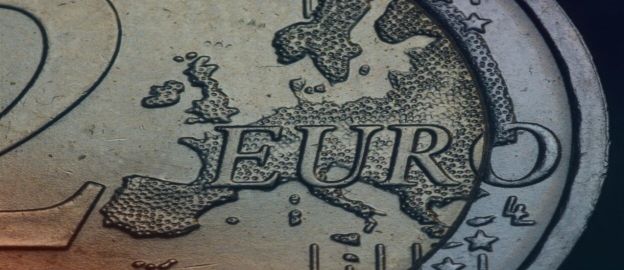
On 17 July the European Council will launch the final negotiations on the EU budget, unprecedented in scale and intended to pull the EU out of recession and give it a new boost.
Since December 2019 Poland has been part of the EU discussions, trying to distance itself from climate neutrality in 2050. Although all other Member States agreed to it.
14 minutes minutes
The EU is ready to co-finance our energy transformation ― what does the Polish government have to say?
On 17 July the European Council will launch the final negotiations on the EU budget, unprecedented in scale and intended to pull the EU out of recession and give it a new boost.
Since December 2019 Poland has been part of the EU discussions, trying to distance itself from climate neutrality in 2050. Although all other Member States agreed to it.
14 minutes minutes

Poland: climate neutrality by 2050. Electrification and sector coupling

Electrification sets the direction of inevitable changes in many areas of our lives, including transport and heating. This direction will force a closer cooperation of various sectors of the economy with the future, completely different from today's power system. The integration of three industries — transportation, heat, and power generation— is the new concept for the operation of the entire energy sector. What can it look like in 2050? How will the necessary changes bring Poland closer to the goal of climate neutrality? Forum Energii in the new analysis convinces that a good strategy of sector coupling is a benefit for the Polish economy and society.
5 minutes minutes
Poland: climate neutrality by 2050. Electrification and sector coupling
Electrification sets the direction of inevitable changes in many areas of our lives, including transport and heating. This direction will force a closer cooperation of various sectors of the economy with the future, completely different from today's power system. The integration of three industries — transportation, heat, and power generation— is the new concept for the operation of the entire energy sector. What can it look like in 2050? How will the necessary changes bring Poland closer to the goal of climate neutrality? Forum Energii in the new analysis convinces that a good strategy of sector coupling is a benefit for the Polish economy and society.
5 minutes minutes
Energy Boost for Poland
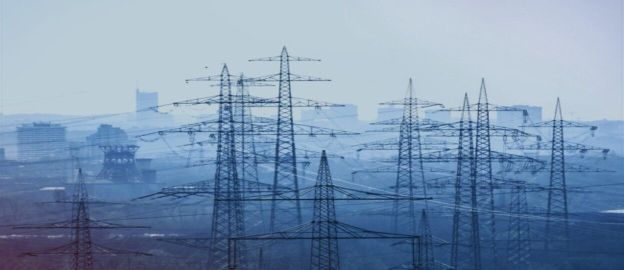
"Energy Boost for Poland" - a package for the economy prepared by the Forum Energii and Polish Confederation Lewiatan.
Forum Energii and the Confederation Lewiatan call for the adoption of the "Energy Boost for Poland" package, which aims to mobilise available public and private funds for the Polish energy modernization. The implementation of the "Energy Boost for Poland" will stimulate investments worth over PLN 580 billion, which will create 240 thousand new jobs. Investments in the energy sector should be an element of the strategy for overcoming the crisis caused by the coronavirus pandemic.
6 minutes minutes
Energy Boost for Poland
"Energy Boost for Poland" - a package for the economy prepared by the Forum Energii and Polish Confederation Lewiatan.
Forum Energii and the Confederation Lewiatan call for the adoption of the "Energy Boost for Poland" package, which aims to mobilise available public and private funds for the Polish energy modernization. The implementation of the "Energy Boost for Poland" will stimulate investments worth over PLN 580 billion, which will create 240 thousand new jobs. Investments in the energy sector should be an element of the strategy for overcoming the crisis caused by the coronavirus pandemic.
6 minutes minutes
Investment in the energy sector as a remedy for the crisis Insights

After a few weeks of the pandemic in Poland, we know for sure that the virus will infect the economy, even as we finally get rid of it ourselves. We need to act decisively right now. But we also need to think about economic recovery, in which the low-carbon transformation of energy has to take a central place. This is the time for bold decisions, so far postponed. A strategic rebuilding of the sector must be announced today to help society emerge from the crisis and provide long-term benefits.
11 minutes minutes
Investment in the energy sector as a remedy for the crisis Insights
After a few weeks of the pandemic in Poland, we know for sure that the virus will infect the economy, even as we finally get rid of it ourselves. We need to act decisively right now. But we also need to think about economic recovery, in which the low-carbon transformation of energy has to take a central place. This is the time for bold decisions, so far postponed. A strategic rebuilding of the sector must be announced today to help society emerge from the crisis and provide long-term benefits.
11 minutes minutes