Tag:
energy transformation
Energy transition in Poland | 2022 Edition
On top of the economic slowdown in 2020 caused by the COVID-19 pandemic, 2021 was the next year when the cards dealt unexpected circumstances that diverged from the previous years of stability. In Europe, we experienced an energy crisis marked by sharp spikes in gas prices and CO2 emission costs. The wartime reality of 2022 means even more uncertainty and market volatility with energy security and independence from imported raw materials becoming the most important topics. Poland continues drifting along in the modernisation of the energy sector, as clearly indicated by data collected by Forum Energii in its annual report “Energy Transition in Poland”.
7 minutes minutes
Energy transition in Poland | 2022 Edition
On top of the economic slowdown in 2020 caused by the COVID-19 pandemic, 2021 was the next year when the cards dealt unexpected circumstances that diverged from the previous years of stability. In Europe, we experienced an energy crisis marked by sharp spikes in gas prices and CO2 emission costs. The wartime reality of 2022 means even more uncertainty and market volatility with energy security and independence from imported raw materials becoming the most important topics. Poland continues drifting along in the modernisation of the energy sector, as clearly indicated by data collected by Forum Energii in its annual report “Energy Transition in Poland”.
7 minutes minutes
The end of energy resource imports from Russia?
On February 24, Russia started the Ukrainian war. Nothing will be the same again. Russia's brutal attack made the ongoing conflict around energy resources all the more obvious. In 2021 alone Russia could have earned PLN 500 billion (or $120 billion). from the export of energy resources. This revenue funds the Kremlin's military spending. Now we are considering whether giving up Russian fossil fuels is possible. Undoubtedly, this would be a radical solution with far-reaching and not entirely known consequences. If this were to happen, solidarity and close cooperation within the EU would be more important than ever before. In this article, we analyze what options Poland has to break its energy dependence on Russia.
17 minutes minutes
The end of energy resource imports from Russia?
On February 24, Russia started the Ukrainian war. Nothing will be the same again. Russia's brutal attack made the ongoing conflict around energy resources all the more obvious. In 2021 alone Russia could have earned PLN 500 billion (or $120 billion). from the export of energy resources. This revenue funds the Kremlin's military spending. Now we are considering whether giving up Russian fossil fuels is possible. Undoubtedly, this would be a radical solution with far-reaching and not entirely known consequences. If this were to happen, solidarity and close cooperation within the EU would be more important than ever before. In this article, we analyze what options Poland has to break its energy dependence on Russia.
17 minutes minutes
10 steps to overcome the energy crisis
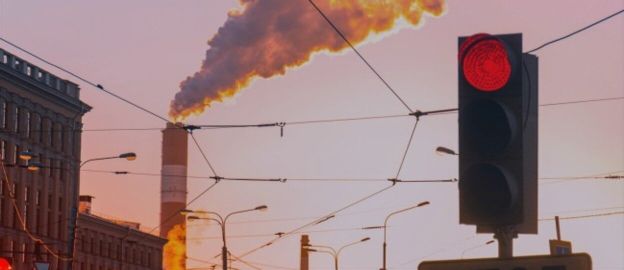
The prices of coal, gas, and CO2 are reaching record levels while the price for electricity is galloping, causing panic among politicians, energy consumers, and institutions responsible for maintaining Poland’s energy security.
14 minutes minutes
10 steps to overcome the energy crisis
The prices of coal, gas, and CO2 are reaching record levels while the price for electricity is galloping, causing panic among politicians, energy consumers, and institutions responsible for maintaining Poland’s energy security.
14 minutes minutes
Ready for 55%. A guide to financing the energy transition from 2021
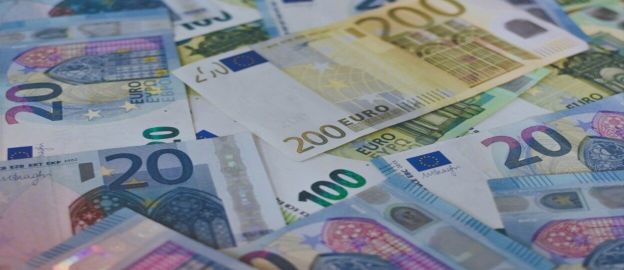
It’s PLN 560 billion [EUR 124 bln]. This is the amount Poland can allocate for the energy transition and phaseout of coal thanks to EU membership. This is a historic opportunity to shift the Polish economy—including the energy sector—to the low-carbon track and develop new industries. Although last year the Polish government declared the intention to pursue climate neutrality in line with EU policy, Poland’s decision-makers are anxious that the country will not be able to handle the challenge of decarbonisation. At the same time, the government’s relations with EU institutions are deteriorating, making talks about the EU funds difficult. So then, what resources are at stake?
7 minutes minutes
Ready for 55%. A guide to financing the energy transition from 2021
It’s PLN 560 billion [EUR 124 bln]. This is the amount Poland can allocate for the energy transition and phaseout of coal thanks to EU membership. This is a historic opportunity to shift the Polish economy—including the energy sector—to the low-carbon track and develop new industries. Although last year the Polish government declared the intention to pursue climate neutrality in line with EU policy, Poland’s decision-makers are anxious that the country will not be able to handle the challenge of decarbonisation. At the same time, the government’s relations with EU institutions are deteriorating, making talks about the EU funds difficult. So then, what resources are at stake?
7 minutes minutes

Microinstallations on a turning point | How to secure the future of distributed energy in Poland?
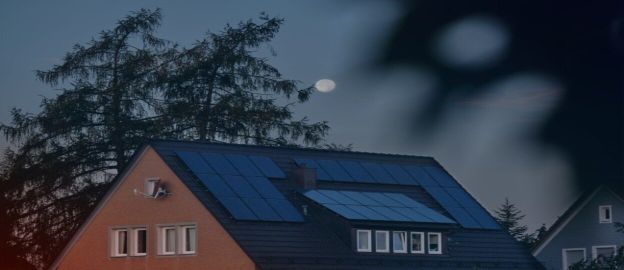
In recent years, over 600,000 households and businesses have invested in their own solar installations, and approximately 35,000 jobs have been created in companies offering services in this segment. This is the biggest, albeit unplanned, success of the Law and Justice government in the energy sector. However, further expansion of micro-installations in Poland is questionable - the government is planning changes in the rules governing this dynamically developing energy sector. This is an operation on a living organism, therefore surgical precision is needed in introducing changes - a transparent process, clear intentions and time that will allow the newly established sector and energy companies to prepare for the transition.
6 minutes minutes
Microinstallations on a turning point | How to secure the future of distributed energy in Poland?
In recent years, over 600,000 households and businesses have invested in their own solar installations, and approximately 35,000 jobs have been created in companies offering services in this segment. This is the biggest, albeit unplanned, success of the Law and Justice government in the energy sector. However, further expansion of micro-installations in Poland is questionable - the government is planning changes in the rules governing this dynamically developing energy sector. This is an operation on a living organism, therefore surgical precision is needed in introducing changes - a transparent process, clear intentions and time that will allow the newly established sector and energy companies to prepare for the transition.
6 minutes minutes
NABE - the hibernatus of the Polish energy sector

In the film with Louis de Funès, a separate, unreal world was created for the titular hibernatus to make him feel comfortable in the new reality. With the National Energy Security Agency (NABE) that the government is proposing for coal power, it is similar. The ring-fencing of coal assets is necessary because they are making increasing losses, the power companies are in debt, and with the coal burden in the new reality they are running out of finance to invest. However, without a cost-benefit analysis for the economy and society, or an assessment of the risks, NABE, instead of unlocking the transition, may hibernate it and introduce chaos that will threaten Poland's energy security.
9 minutes minutes
NABE - the hibernatus of the Polish energy sector
In the film with Louis de Funès, a separate, unreal world was created for the titular hibernatus to make him feel comfortable in the new reality. With the National Energy Security Agency (NABE) that the government is proposing for coal power, it is similar. The ring-fencing of coal assets is necessary because they are making increasing losses, the power companies are in debt, and with the coal burden in the new reality they are running out of finance to invest. However, without a cost-benefit analysis for the economy and society, or an assessment of the risks, NABE, instead of unlocking the transition, may hibernate it and introduce chaos that will threaten Poland's energy security.
9 minutes minutes
