Tag:
CO2
The spectre of the ETS gap
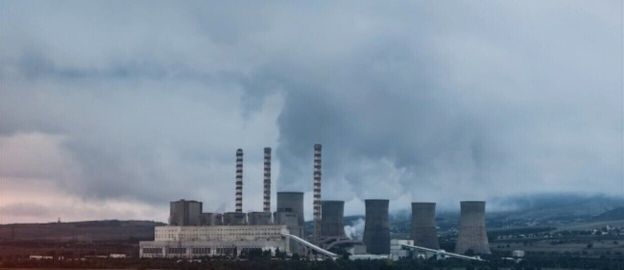
In the following months, negotiations on the Fit for 55 package, which was proposed by the European Commission in July this, year will continue. One of the key elements of these negotiations is the reform of the EU Emissions Trading System (EU-ETS). The Polish government is arguing that the number of allowances allocated to Poland will be lower than the emissions of installations covered by the ETS, creating a so-called imbalance of CO2 emission allowances. Where does the imbalance come from, and can it be reduced? And is this the most important element in negotiations of the new EU ETS? We explain below.
16 minutes minutes
The spectre of the ETS gap
In the following months, negotiations on the Fit for 55 package, which was proposed by the European Commission in July this, year will continue. One of the key elements of these negotiations is the reform of the EU Emissions Trading System (EU-ETS). The Polish government is arguing that the number of allowances allocated to Poland will be lower than the emissions of installations covered by the ETS, creating a so-called imbalance of CO2 emission allowances. Where does the imbalance come from, and can it be reduced? And is this the most important element in negotiations of the new EU ETS? We explain below.
16 minutes minutes
Visegrad Electromobility | State, perspectives and challenges
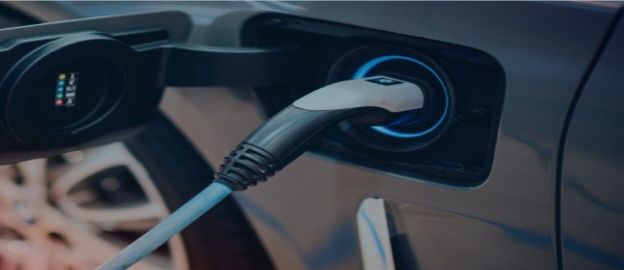
Transport accounts for the largest share of greenhouse gas (GHG) emissions in the European Union and is the only sector in which emissions have been increasing in recent years. The goal of climate neutrality and the increased reduction target for 2030 will not be achievable without a revolution in transport, as confirmed by the ‘Fit for 55’ package published by the European Commission. Given the years of a lack of effective policies in this area in the Visegrad countries, implementing appropriate measures to reduce emissions from transport becomes an urgent challenge. The hope is in electrification, especially of passenger cars.
9 minutes minutes
Visegrad Electromobility | State, perspectives and challenges
Transport accounts for the largest share of greenhouse gas (GHG) emissions in the European Union and is the only sector in which emissions have been increasing in recent years. The goal of climate neutrality and the increased reduction target for 2030 will not be achievable without a revolution in transport, as confirmed by the ‘Fit for 55’ package published by the European Commission. Given the years of a lack of effective policies in this area in the Visegrad countries, implementing appropriate measures to reduce emissions from transport becomes an urgent challenge. The hope is in electrification, especially of passenger cars.
9 minutes minutes
FIT FOR 55 - what will the package contain?

On 14 July, the European Commission will publish the Fit for 55 package consisting of several legislative proposals. This will officially launch the discussion on measures to achieve the interim EU climate neutrality target, i.e. a 55% reduction of CO2 emissions compared to 1990. Before these rules finally come into force, they have to be accepted by EU member countries (i.e. the Council) and the European Parliament. The negotiations will take at least a year, most likely - two. The changes will not be law until 2024, but it is high time we considered how to implement them for the benefit of the climate and the economy.
15 minutes minutes
FIT FOR 55 - what will the package contain?
On 14 July, the European Commission will publish the Fit for 55 package consisting of several legislative proposals. This will officially launch the discussion on measures to achieve the interim EU climate neutrality target, i.e. a 55% reduction of CO2 emissions compared to 1990. Before these rules finally come into force, they have to be accepted by EU member countries (i.e. the Council) and the European Parliament. The negotiations will take at least a year, most likely - two. The changes will not be law until 2024, but it is high time we considered how to implement them for the benefit of the climate and the economy.
15 minutes minutes

The cost of carbon-free buildings and transport: the EU’s plans and Poland's challenges
Work on the European Green Deal is accelerating. The main tool to achieve the new targets for reducing greenhouse gas emissions (GHG) in the EU will be the Fit for 55 package. Among its key elements is support for reducing CO2 emissions from buildings and transport. For Poland, this debate will be uncomfortable because over the course of three decades, not only has pollution not decreased but it has increased considerably in transport. This results in terrible air quality in Poland. Catching up, which is necessary for both climate reasons and the modernisation of outdated infrastructure and improvement of air quality, will be a challenge. The introduction of emission charges is intended to help. In its latest study, Forum Energii proposes measures to internalise the external costs of emissions in a way that is smooth, gradual, and socially acceptable.
7 minutes minutes
The cost of carbon-free buildings and transport: the EU’s plans and Poland's challenges
Work on the European Green Deal is accelerating. The main tool to achieve the new targets for reducing greenhouse gas emissions (GHG) in the EU will be the Fit for 55 package. Among its key elements is support for reducing CO2 emissions from buildings and transport. For Poland, this debate will be uncomfortable because over the course of three decades, not only has pollution not decreased but it has increased considerably in transport. This results in terrible air quality in Poland. Catching up, which is necessary for both climate reasons and the modernisation of outdated infrastructure and improvement of air quality, will be a challenge. The introduction of emission charges is intended to help. In its latest study, Forum Energii proposes measures to internalise the external costs of emissions in a way that is smooth, gradual, and socially acceptable.
7 minutes minutes

The purpose of the EU-ETS and its pending reforms

Since the beginning of the year, CO2 emission allowance prices have risen by 70%, from EUR 30 to over EUR 50 per tonne. The rate of this increase has again triggered discussion in Poland on the purpose of the Emissions Trading System’s (EU-ETS) existence. Meanwhile, the EU discussion on the ETS, which is due to begin shortly, will not be about whether to abolish the system, but how to reform it so that the EU can achieve its decarbonization goals. Carbon pricing will be the most important tool for achieving the EU's 55% emissions reduction target in 2030. In this text, we explain the system’s basic operational principles and highlight expected discussion topics and possible upcoming changes.
19 minutes minutes
The purpose of the EU-ETS and its pending reforms
Since the beginning of the year, CO2 emission allowance prices have risen by 70%, from EUR 30 to over EUR 50 per tonne. The rate of this increase has again triggered discussion in Poland on the purpose of the Emissions Trading System’s (EU-ETS) existence. Meanwhile, the EU discussion on the ETS, which is due to begin shortly, will not be about whether to abolish the system, but how to reform it so that the EU can achieve its decarbonization goals. Carbon pricing will be the most important tool for achieving the EU's 55% emissions reduction target in 2030. In this text, we explain the system’s basic operational principles and highlight expected discussion topics and possible upcoming changes.
19 minutes minutes

Heat electrification in Poland | The path to clean heat

Despite the government's declarations, progress in improving air quality in Poland has been poor. The rate of modernisation of buildings is slow, and public funds continue to support the replacement of old coal boilers with other coal-fired options, which other European countries have phased out. Meanwhile, a huge stream of European money will be flowing towards 'clean heat' in the coming years. In the newest analysis from the Forum Energii, we explain why it is worth betting on electrification of heating, identify which technologies have a future, and explore how this will affect the energy system.
9 minutes minutes
Heat electrification in Poland | The path to clean heat
Despite the government's declarations, progress in improving air quality in Poland has been poor. The rate of modernisation of buildings is slow, and public funds continue to support the replacement of old coal boilers with other coal-fired options, which other European countries have phased out. Meanwhile, a huge stream of European money will be flowing towards 'clean heat' in the coming years. In the newest analysis from the Forum Energii, we explain why it is worth betting on electrification of heating, identify which technologies have a future, and explore how this will affect the energy system.
9 minutes minutes