Tag:
energy security
Renewables can reduce fuel imports
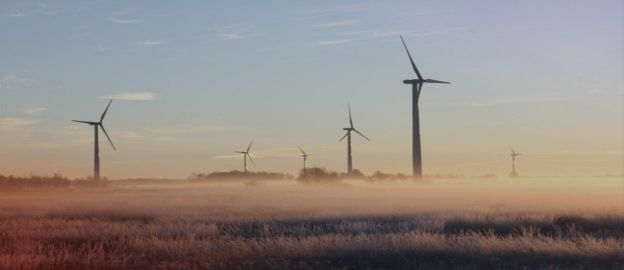
Last year the import of gas, oil and coal cost Poland PLN 89 billion. This year, it will be much more - by the end of June it already amounted to PLN 85 billion. The supply crunch and spike in fuel prices have become the source of an economic and energy crisis, and a means of exerting pressure on Europe. Meanwhile, renewables not only reduce emissions and energy prices, but also import dependency on energy resources.
18 minutes minutes
Renewables can reduce fuel imports
Last year the import of gas, oil and coal cost Poland PLN 89 billion. This year, it will be much more - by the end of June it already amounted to PLN 85 billion. The supply crunch and spike in fuel prices have become the source of an economic and energy crisis, and a means of exerting pressure on Europe. Meanwhile, renewables not only reduce emissions and energy prices, but also import dependency on energy resources.
18 minutes minutes
How to maintain Belchatow's energy future
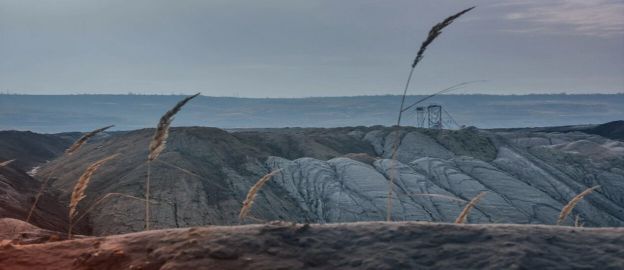
Europe is going through its biggest energy crisis ever. The attention of decision makers is focused on ensuring energy and heat supplies in the coming months. Meanwhile, long-term challenges and problems in the energy sector that have not been solved before are only accumulating. One of them is the future of the largest power plant in Poland.
9 minutes minutes
How to maintain Belchatow's energy future
Europe is going through its biggest energy crisis ever. The attention of decision makers is focused on ensuring energy and heat supplies in the coming months. Meanwhile, long-term challenges and problems in the energy sector that have not been solved before are only accumulating. One of them is the future of the largest power plant in Poland.
9 minutes minutes
Energy in Belchatow After Lignite
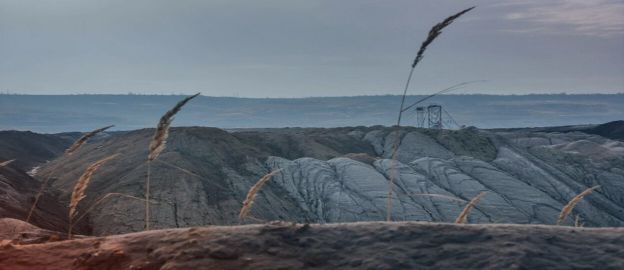
Transitioning Europe's largest coal power plant to a secure, resilient, affordable clean energy future. New study outlines a transition plan for Europe’s largest coal-fired power plant, located in Belchatow, Poland.
7 minutes minutes
Energy in Belchatow After Lignite
Transitioning Europe's largest coal power plant to a secure, resilient, affordable clean energy future. New study outlines a transition plan for Europe’s largest coal-fired power plant, located in Belchatow, Poland.
7 minutes minutes
Cutting energy bills before winter (toolbox)

The upcoming winter will be difficult for many Polish households due to high costs of heat and electricity. In the latest report by Forum Energii, more than 30 concrete measures are listed. They can be implemented easily and at a low (or even none) cost before the heating season. This will reduce bills and improve the country's energy security.
4 minutes minutes
Cutting energy bills before winter (toolbox)
The upcoming winter will be difficult for many Polish households due to high costs of heat and electricity. In the latest report by Forum Energii, more than 30 concrete measures are listed. They can be implemented easily and at a low (or even none) cost before the heating season. This will reduce bills and improve the country's energy security.
4 minutes minutes

RRP: The bare minimum for over €9bn

With one year delay the national Recovery and Resilience Plan (RRP) is entering Poland. So far, the discussion around the RRP has focused primarily on money. Meanwhile – and this is particularly evident in the area of energy transition – the RRP is an instrument that has mobilised the Polish government to work out the necessary reforms, involving an in-depth analysis of challenges ahead, assessment of specific solutions, and necessary legal changes, all within specific timeframe. Investment support – although crucial – plays a secondary role in accelerating the implementation of reforms.
10 minutes minutes
RRP: The bare minimum for over €9bn
With one year delay the national Recovery and Resilience Plan (RRP) is entering Poland. So far, the discussion around the RRP has focused primarily on money. Meanwhile – and this is particularly evident in the area of energy transition – the RRP is an instrument that has mobilised the Polish government to work out the necessary reforms, involving an in-depth analysis of challenges ahead, assessment of specific solutions, and necessary legal changes, all within specific timeframe. Investment support – although crucial – plays a secondary role in accelerating the implementation of reforms.
10 minutes minutes

Is the Kremlin turning off the gas tap? Time to exclude gas and coal from households
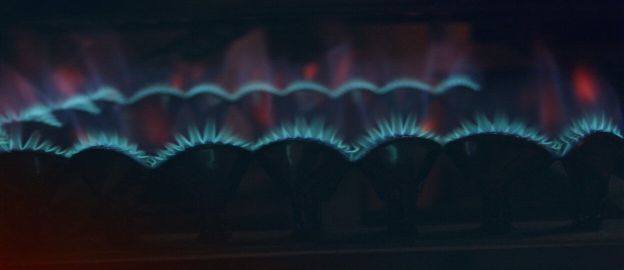
How to prepare households for an energy war with Russia? Gazprom is suspending gas supplies to Poland under the Yamal contract. This is no great surprise. At the end of this year, Poland was going to give up buying Russian gas anyway. Physically, there is unlikely to be a shortage of gas, but Poland is entering a period of high prices, which will limit the use of this raw material. The role of the state should be to wisely support society in smoothly passing through the crisis. Without reducing demand in sectors where it is possible, this will be difficult.
26 minutes minutes
Is the Kremlin turning off the gas tap? Time to exclude gas and coal from households
How to prepare households for an energy war with Russia? Gazprom is suspending gas supplies to Poland under the Yamal contract. This is no great surprise. At the end of this year, Poland was going to give up buying Russian gas anyway. Physically, there is unlikely to be a shortage of gas, but Poland is entering a period of high prices, which will limit the use of this raw material. The role of the state should be to wisely support society in smoothly passing through the crisis. Without reducing demand in sectors where it is possible, this will be difficult.
26 minutes minutes