Tag:
RES
Microinstallations on a turning point | How to secure the future of distributed energy in Poland?
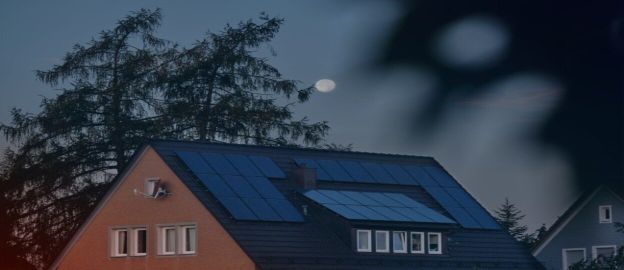
In recent years, over 600,000 households and businesses have invested in their own solar installations, and approximately 35,000 jobs have been created in companies offering services in this segment. This is the biggest, albeit unplanned, success of the Law and Justice government in the energy sector. However, further expansion of micro-installations in Poland is questionable - the government is planning changes in the rules governing this dynamically developing energy sector. This is an operation on a living organism, therefore surgical precision is needed in introducing changes - a transparent process, clear intentions and time that will allow the newly established sector and energy companies to prepare for the transition.
6 minutes minutes
Microinstallations on a turning point | How to secure the future of distributed energy in Poland?
In recent years, over 600,000 households and businesses have invested in their own solar installations, and approximately 35,000 jobs have been created in companies offering services in this segment. This is the biggest, albeit unplanned, success of the Law and Justice government in the energy sector. However, further expansion of micro-installations in Poland is questionable - the government is planning changes in the rules governing this dynamically developing energy sector. This is an operation on a living organism, therefore surgical precision is needed in introducing changes - a transparent process, clear intentions and time that will allow the newly established sector and energy companies to prepare for the transition.
6 minutes minutes
Green Gases | Biomethane and hydrogen in Poland

Over the next decades, the way Europe generates energy will change significantly. The goal of achieving climate neutrality means fossil fuels will be replaced by renewable energy sources within 30 years. Playing a key role will be biomethane and green hydrogen produced from RES—green gases—the development of which should already be spearheaded Poland. It is necessary to start planning the rational use of these gases in the economy because there probably will not be enough for everyone, and some sectors will be easier and cheaper to decarbonise through electrification. Poland is already working on setting the framework for their use in various sectors of the economy. The latest report by Forum Energii may help in preparing the strategy.
9 minutes minutes
Green Gases | Biomethane and hydrogen in Poland
Over the next decades, the way Europe generates energy will change significantly. The goal of achieving climate neutrality means fossil fuels will be replaced by renewable energy sources within 30 years. Playing a key role will be biomethane and green hydrogen produced from RES—green gases—the development of which should already be spearheaded Poland. It is necessary to start planning the rational use of these gases in the economy because there probably will not be enough for everyone, and some sectors will be easier and cheaper to decarbonise through electrification. Poland is already working on setting the framework for their use in various sectors of the economy. The latest report by Forum Energii may help in preparing the strategy.
9 minutes minutes

Poland needs 2 GW of new photovoltaic capacity annually - that's why prosumers should be supported
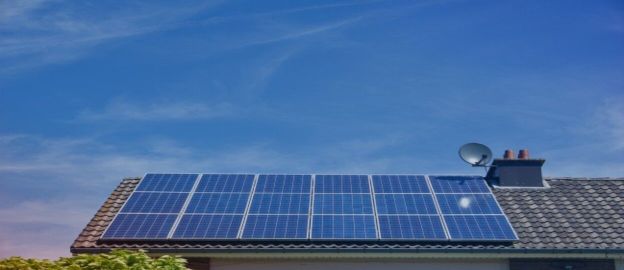
The government is announcing changes in the support system for prosumers. The combination of the current operational support scheme (a version net-metering, called “rebates”), subsidies in the form of the “Mój Prąd” program and tax credits resulted in rapid development of solar energy in Poland. Within a few years the installed capacity in micro-installations increased from 200 MW to 3.3 GW. Security of energy supply in the summer has strengthened, CO2 emissions have been reduced and the generation mix has become more diversified to some extent. Citizens have fallen in love with renewables for good. So what’s next?
17 minutes minutes
Poland needs 2 GW of new photovoltaic capacity annually - that's why prosumers should be supported
The government is announcing changes in the support system for prosumers. The combination of the current operational support scheme (a version net-metering, called “rebates”), subsidies in the form of the “Mój Prąd” program and tax credits resulted in rapid development of solar energy in Poland. Within a few years the installed capacity in micro-installations increased from 200 MW to 3.3 GW. Security of energy supply in the summer has strengthened, CO2 emissions have been reduced and the generation mix has become more diversified to some extent. Citizens have fallen in love with renewables for good. So what’s next?
17 minutes minutes
Energy transition in Poland | 2021 Edition

The production of electricity from coal in Poland is decreasing. For the first time in the country’s history, in 2020 coal’s share in the generation mix dropped below 70%. Renewable sources have slowly started to play a more important role in the mix, as well as gas. In the midst of the pandemic, domestic production has fallen faster than demand, and this gap is filled by energy imports. Poland remains the most expensive electricity market in the region.
6 minutes minutes
Energy transition in Poland | 2021 Edition
The production of electricity from coal in Poland is decreasing. For the first time in the country’s history, in 2020 coal’s share in the generation mix dropped below 70%. Renewable sources have slowly started to play a more important role in the mix, as well as gas. In the midst of the pandemic, domestic production has fallen faster than demand, and this gap is filled by energy imports. Poland remains the most expensive electricity market in the region.
6 minutes minutes
Heat electrification in Poland | The path to clean heat

Despite the government's declarations, progress in improving air quality in Poland has been poor. The rate of modernisation of buildings is slow, and public funds continue to support the replacement of old coal boilers with other coal-fired options, which other European countries have phased out. Meanwhile, a huge stream of European money will be flowing towards 'clean heat' in the coming years. In the newest analysis from the Forum Energii, we explain why it is worth betting on electrification of heating, identify which technologies have a future, and explore how this will affect the energy system.
9 minutes minutes
Heat electrification in Poland | The path to clean heat
Despite the government's declarations, progress in improving air quality in Poland has been poor. The rate of modernisation of buildings is slow, and public funds continue to support the replacement of old coal boilers with other coal-fired options, which other European countries have phased out. Meanwhile, a huge stream of European money will be flowing towards 'clean heat' in the coming years. In the newest analysis from the Forum Energii, we explain why it is worth betting on electrification of heating, identify which technologies have a future, and explore how this will affect the energy system.
9 minutes minutes

Five energy projects that must happen in 2021

The future begins today, not tomorrow. The year 2020 was unusual in many ways, so many people will be relieved that it is now ending. But in terms of the energy transition, it was a watershed year. The European Union reached agreement on the European Green Deal. In Poland, the government and labour unions openly admitted that Poles need to talk about the end of the coal era. The energy sector in the country is at a crossroads and it is time for it to choose the right path for its further operation and development in 2021.
10 minutes minutes
Five energy projects that must happen in 2021
The future begins today, not tomorrow. The year 2020 was unusual in many ways, so many people will be relieved that it is now ending. But in terms of the energy transition, it was a watershed year. The European Union reached agreement on the European Green Deal. In Poland, the government and labour unions openly admitted that Poles need to talk about the end of the coal era. The energy sector in the country is at a crossroads and it is time for it to choose the right path for its further operation and development in 2021.
10 minutes minutes