Tag:
RES
How Poland can reach higher GHG emission reduction targets by 2030

At least 55%—this is the reductions target proposed by the European Commission for greenhouse gas emissions (GHG) by 2030. There is no turning back from increasingly demanding climate policy. In its latest analysis, Forum Energii shows how Poland can meet this policy.
3 minutes minutes
How Poland can reach higher GHG emission reduction targets by 2030
At least 55%—this is the reductions target proposed by the European Commission for greenhouse gas emissions (GHG) by 2030. There is no turning back from increasingly demanding climate policy. In its latest analysis, Forum Energii shows how Poland can meet this policy.
3 minutes minutes

How to fill the coal gap? 43% RES by 2030?
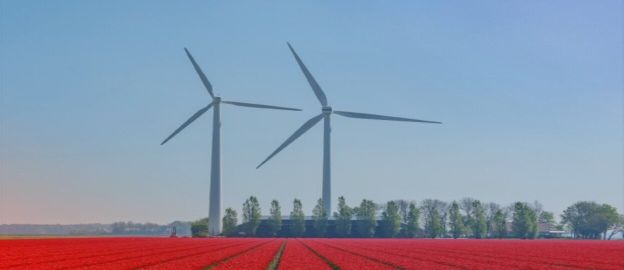
Poland has started phasing out coal. But while production is decreasing, CO2 emission allowances are becoming increasingly expensive. After 2025, when public support for outdated coal blocks runs out, energy companies will want to shut them down. With a decade, at least 10 GW of power may be lost from the Polish power system. How can this gap be filled?
4 minutes minutes
How to fill the coal gap? 43% RES by 2030?
Poland has started phasing out coal. But while production is decreasing, CO2 emission allowances are becoming increasingly expensive. After 2025, when public support for outdated coal blocks runs out, energy companies will want to shut them down. With a decade, at least 10 GW of power may be lost from the Polish power system. How can this gap be filled?
4 minutes minutes
55% ― only without panic

EU climate policy is accelerating again. The European Commission has just proposed raising the target for reducing greenhouse gas emissions until 2030 to 55%. Poland has always opposed ambitious goals, but now a breakthrough seems possible―the end of coal is inevitable, we must take care of energy security, after coronavirus we need new investments, and reducing CO2 emissions is associated with improving air quality, which the government defines as a strategic challenge. By taking these measures now, in heat, electricity and transport, emissions can be reduced by over 40%. The remaining cuts will come from the new policies on industry and agriculture and the sharing of efforts between Member States.
13 minutes minutes
55% ― only without panic
EU climate policy is accelerating again. The European Commission has just proposed raising the target for reducing greenhouse gas emissions until 2030 to 55%. Poland has always opposed ambitious goals, but now a breakthrough seems possible―the end of coal is inevitable, we must take care of energy security, after coronavirus we need new investments, and reducing CO2 emissions is associated with improving air quality, which the government defines as a strategic challenge. By taking these measures now, in heat, electricity and transport, emissions can be reduced by over 40%. The remaining cuts will come from the new policies on industry and agriculture and the sharing of efforts between Member States.
13 minutes minutes

Renewables in the Polish energy mix. Still not enough to meet the targets

The energy transformation has accelerated significantly. Thanks to the enormous cost reduction of solar PV and onshore wind, these technologies are increasingly being chosen by the private sector and households as an investment that allows for significant savings. In recent years, however, the development of renewable energy sources (RES) has depended on state policies and support schemes. They were to enable Poland to achieve the so-called RES target - renewables were to account for 15% of gross final energy consumption in 2020[1]. According to our estimates, the target is still far from being achieved - in 2019 the share of RES amounted to 11.5% only and everything indicates that this year too, the result of 15% is out of reach.
15 minutes minutes
Renewables in the Polish energy mix. Still not enough to meet the targets
The energy transformation has accelerated significantly. Thanks to the enormous cost reduction of solar PV and onshore wind, these technologies are increasingly being chosen by the private sector and households as an investment that allows for significant savings. In recent years, however, the development of renewable energy sources (RES) has depended on state policies and support schemes. They were to enable Poland to achieve the so-called RES target - renewables were to account for 15% of gross final energy consumption in 2020[1]. According to our estimates, the target is still far from being achieved - in 2019 the share of RES amounted to 11.5% only and everything indicates that this year too, the result of 15% is out of reach.
15 minutes minutes

Renewables (RES) in heating

Heating and all of us in Poland have a problem. In domestic heating we rely on technologies from the 50s and 60s of the last century. In winter we have the worst quality air in the European Union. The society bears the enormous health costs related to air pollution - 120 billion PLN annually. We use primarily coal, which we are running out of, and we need to cover the costs of CO2 emission allowances. What next? Does coronavirus mean the end of dreams about clean air and the end of investments in modern technologies? Quite the opposite. Right now we should be looking at renewables.
4 minutes minutes
Renewables (RES) in heating
Heating and all of us in Poland have a problem. In domestic heating we rely on technologies from the 50s and 60s of the last century. In winter we have the worst quality air in the European Union. The society bears the enormous health costs related to air pollution - 120 billion PLN annually. We use primarily coal, which we are running out of, and we need to cover the costs of CO2 emission allowances. What next? Does coronavirus mean the end of dreams about clean air and the end of investments in modern technologies? Quite the opposite. Right now we should be looking at renewables.
4 minutes minutes

Energy Boost for Poland
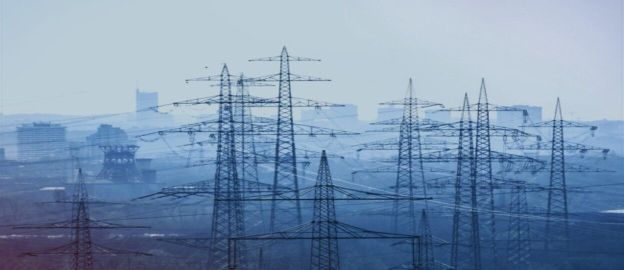
"Energy Boost for Poland" - a package for the economy prepared by the Forum Energii and Polish Confederation Lewiatan.
Forum Energii and the Confederation Lewiatan call for the adoption of the "Energy Boost for Poland" package, which aims to mobilise available public and private funds for the Polish energy modernization. The implementation of the "Energy Boost for Poland" will stimulate investments worth over PLN 580 billion, which will create 240 thousand new jobs. Investments in the energy sector should be an element of the strategy for overcoming the crisis caused by the coronavirus pandemic.
6 minutes minutes
Energy Boost for Poland
"Energy Boost for Poland" - a package for the economy prepared by the Forum Energii and Polish Confederation Lewiatan.
Forum Energii and the Confederation Lewiatan call for the adoption of the "Energy Boost for Poland" package, which aims to mobilise available public and private funds for the Polish energy modernization. The implementation of the "Energy Boost for Poland" will stimulate investments worth over PLN 580 billion, which will create 240 thousand new jobs. Investments in the energy sector should be an element of the strategy for overcoming the crisis caused by the coronavirus pandemic.
6 minutes minutes