Power deficit in the Polish power system in August 2015
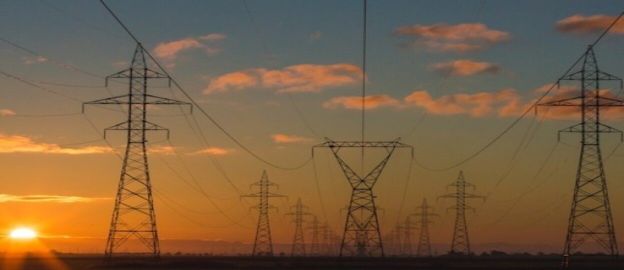
The heat wave which affected the whole country from the beginning of August, in combination with the hydrological conditions of the main rivers, resulted in deterioration of the operating conditions of power generation equipment and power networks in Poland. As a result, PSE SA (Polskie Sieci Elektroenergetyczne, the Transmission System Operator) imposed various levels of limitations of power supply for industrial consumers until the end of August. Such measures were taken for the first time in many years.
Read More
Power deficit in the Polish power system in August 2015
The heat wave which affected the whole country from the beginning of August, in combination with the hydrological conditions of the main rivers, resulted in deterioration of the operating conditions of power generation equipment and power networks in Poland. As a result, PSE SA (Polskie Sieci Elektroenergetyczne, the Transmission System Operator) imposed various levels of limitations of power supply for industrial consumers until the end of August. Such measures were taken for the first time in many years.
Is isolationism profitable?

Below you will find opinion on the article concerning the text entitled "Import of cheap energy – higher costs for consumers" by Prof. Władysław Mielczarski, Ph.D. Eng., Łódź University of Technology, BiznesAlert, published on the CIRE website (in Polish) on the September 7, 2015.
Read More
Is isolationism profitable?
Below you will find opinion on the article concerning the text entitled "Import of cheap energy – higher costs for consumers" by Prof. Władysław Mielczarski, Ph.D. Eng., Łódź University of Technology, BiznesAlert, published on the CIRE website (in Polish) on the September 7, 2015.

Efficient use of Modernization Fund

On October 24, 2014, the European Council established the Modernization Fund (MF) for years 2021–2030 supplied with revenue from the sale of 2% of the total pool of CO2 emission allowances. The instrument is to support the modernization of power system and the improvement of energy efficiency in EU Member States, where GDP per capita in 2013 was lower than 60% of EU average (in nominal terms).
Read More
Efficient use of Modernization Fund
On October 24, 2014, the European Council established the Modernization Fund (MF) for years 2021–2030 supplied with revenue from the sale of 2% of the total pool of CO2 emission allowances. The instrument is to support the modernization of power system and the improvement of energy efficiency in EU Member States, where GDP per capita in 2013 was lower than 60% of EU average (in nominal terms).

Capacity market arrangements in Great Britain - lessons learnt for Poland

In 2014, the UK government introduced legal provisions for a capacity market in Great Britain. Many countries – including Poland – have since then followed the developments on the island. FAE describes the power market in Great Britain as well as measures to raise its security of supply. It also compares the volume of Great Britain’s capacity reserve with that of Poland. The goal of the project was to analyse the results of the capacity auction in Great Britain in December 2014 and to draw possible lessons for Poland in view of the special situation of the Polish power sector.
Read More
Capacity market arrangements in Great Britain - lessons learnt for Poland
In 2014, the UK government introduced legal provisions for a capacity market in Great Britain. Many countries – including Poland – have since then followed the developments on the island. FAE describes the power market in Great Britain as well as measures to raise its security of supply. It also compares the volume of Great Britain’s capacity reserve with that of Poland. The goal of the project was to analyse the results of the capacity auction in Great Britain in December 2014 and to draw possible lessons for Poland in view of the special situation of the Polish power sector.

Electricity and industrial competitiveness
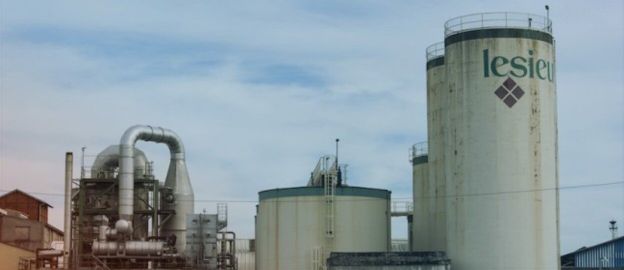
Industrial competitiveness is at the centre of the Polish debate about the future (and the logic) of climate and energy policy. There is a widely held opinion that low prices are the most important condition for a thriving industry.
Read More
Electricity and industrial competitiveness
Industrial competitiveness is at the centre of the Polish debate about the future (and the logic) of climate and energy policy. There is a widely held opinion that low prices are the most important condition for a thriving industry.

Risk of capacity shortage in the Polish electricity system up to 2020

To what extent electricity shortages can be expected in the years 2016/2017? How will the reserves in the power system develop? The reserves in Poland are still relatively high, they were in 2013 at about 13 percent of the annual peak load. In 2018, the reserves will decline to about 8 percent. Assuming the so-called cold reserve, which was introduced in 2014, the reserve capacity, however, is at 11 percent in 2017. According to the provision of new generation capacity in the years 2019/2020 the reserve will increase to approximately 18 percent.
Read More
Risk of capacity shortage in the Polish electricity system up to 2020
To what extent electricity shortages can be expected in the years 2016/2017? How will the reserves in the power system develop? The reserves in Poland are still relatively high, they were in 2013 at about 13 percent of the annual peak load. In 2018, the reserves will decline to about 8 percent. Assuming the so-called cold reserve, which was introduced in 2014, the reserve capacity, however, is at 11 percent in 2017. According to the provision of new generation capacity in the years 2019/2020 the reserve will increase to approximately 18 percent.
